New Orleans Buried Its Dead Above Ground and Let the Ghosts Run the Night Shift
New Orleans does not merely preserve its strange history. It feeds it, gives it a brass band, dresses it in purple, green, and gold, and invites it to wander the French Quarter after dark.
Most cities ask visitors to admire the architecture, sample the food, and behave sensibly after sunset. New Orleans offers wrought iron balconies, powdered sugar, trumpet music, cemetery cities, pirate legends, swamp monsters, and enough ghost stories to keep every old building fully occupied.
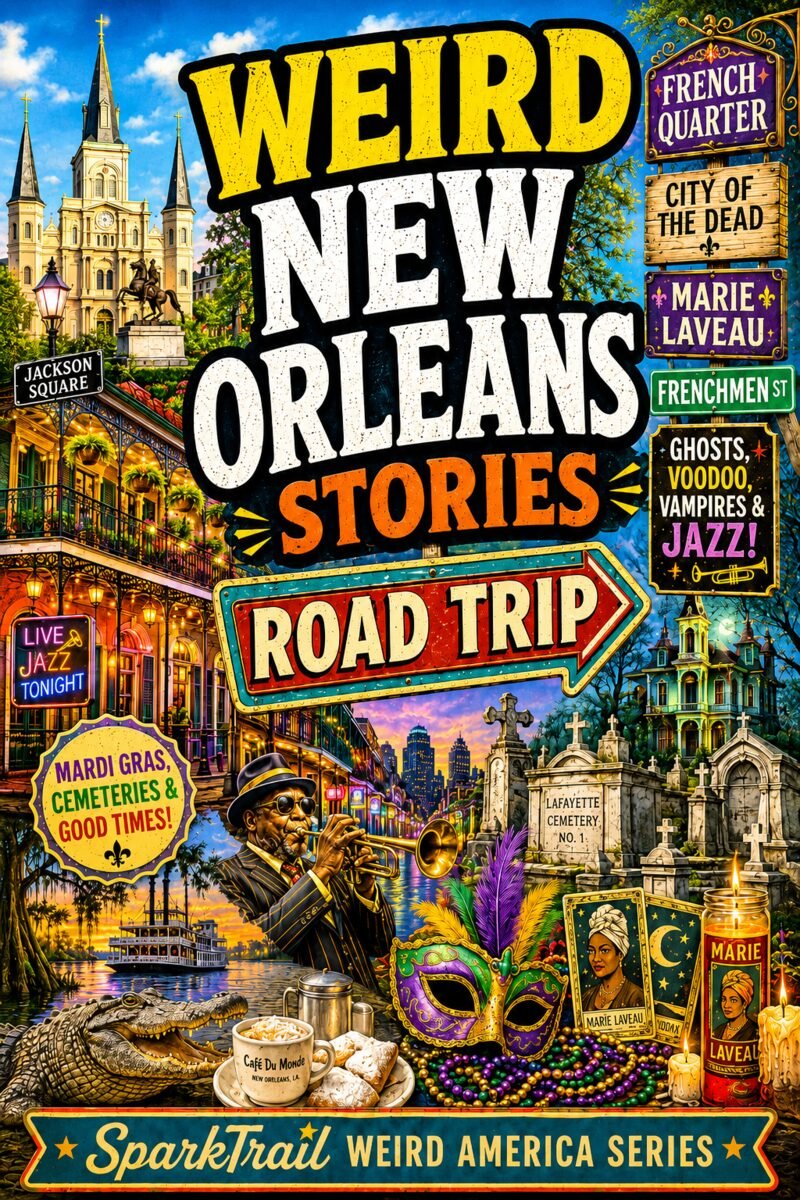
Weird New Orleans Stories explores the city behind the postcard. This is the New Orleans of Voodoo history, jazz funerals, vampire rumors, Mardi Gras traditions, haunted hotels, above ground tombs, river mysteries, and neighborhoods where a perfectly ordinary doorway may come with three legends and a warning from somebody’s aunt.
The French Quarter Has Layers
The French Quarter looks like a movie set designed by someone who considered restraint a personal insult. Balconies curl over narrow streets. Courtyards hide behind plain doors. Music escapes from clubs, restaurants, windows, and occasionally a person who appears to have brought an entire brass section to the sidewalk.
Yet the Quarter is not a preserved theme park. Fires, storms, epidemics, rebuilding, immigration, slavery, commerce, and generations of residents shaped it. Spanish colonial architecture stands in a district called French. Pirate stories mingle with merchant history. Elegant homes sit near old drinking dens. The result is not tidy, which is exactly why it is interesting.
Walk early in the morning if you want to notice doors, tiles, ironwork, and courtyards without competing with the evening crowd. Royal Street rewards slow looking. Bourbon Street rewards knowing what you signed up for.
The Cities of the Dead Are Still Working Neighborhoods
New Orleans cemeteries are famous for their above ground tombs, but the usual explanation that bodies would otherwise float away is much too simple. French and Spanish burial customs, limited space, climate, soil, family traditions, and practical reuse of tombs all helped create these compact cities of stone.
They are striking, but they are not spooky playgrounds. They remain sacred places and active burial grounds. St. Louis Cemetery No. 1, established in 1789, currently requires visitors to enter with its official tour. Reservations are sensible, especially during busy weekends and festival seasons. Follow the guide, stay on the route, and do not add markings, coins, or homemade rituals to anyone’s tomb. The dead already have enough maintenance problems.
Voodoo Is a Religion, Not a Souvenir Hat
New Orleans Voodoo grew from West and Central African spiritual traditions, Caribbean influences, Catholic practices, and the experience of Black communities under slavery and oppression. Marie Laveau became its most famous historical figure, but the real story is richer than the theatrical version sold beside plastic skulls.
A thoughtful museum or history tour can help separate religious tradition from sensational folklore. Listen for guides who discuss people, communities, healing, ceremony, and historical context. Be cautious when a tour reduces everything to curses and dolls. A rubber snake in a gift shop is not a graduate degree in Louisiana spiritual history.
The Vampires Have Excellent Real Estate
New Orleans vampire lore thrives because the city supplies perfect scenery. Old shutters, humid nights, hidden courtyards, and streets shining after rain can make even a delivery driver look like an immortal count with complicated dietary needs.
Some tales grew from literature, tourism, rumor, and later retellings. Other ghost stories attach themselves to documented tragedies, notorious residents, or buildings that have survived several versions of the truth. The fun lies in hearing the legend while keeping one eyebrow raised. A good ghost tour tells you what is documented, what is disputed, and what probably improved every time someone repeated it near midnight.
Mardi Gras Is Bigger Than One Street and One Day
Mardi Gras is not merely a Tuesday when sensible clothing is temporarily outlawed. Carnival season begins on January 6 and builds through weeks of parades, balls, king cakes, neighborhood traditions, marching clubs, costumes, floats, and airborne beads.
The huge organized parades generally roll outside the narrow French Quarter. Families claim spots, krewes spend months preparing, and riders throw an astonishing quantity of objects toward people who cheer for the privilege. If you visit during Carnival, study parade routes before booking a hotel or trying to cross town. Streets close, transit changes, and a destination that appears six blocks away can suddenly require a diplomatic mission.
Jazz History Is Not Background Music
Jazz developed from New Orleans’s extraordinary mix of African American musical traditions, brass bands, Caribbean rhythms, blues, ragtime, church music, dance halls, social clubs, and constant cultural exchange. It belongs to neighborhoods, parades, funerals, clubs, and communities, not just to a pleasant playlist under dinner conversation.
The New Orleans Jazz National Historical Park offers programs and historical context, while live music stretches far beyond Bourbon Street. Check current schedules, arrive early for small venues, and remember that listening is part of the experience. The musicians are not an audio feature installed beside your cocktail.
The Swamp Has Its Own Public Relations Department
Beyond the city, swamp tours trade skyscrapers for cypress trees, alligators, birds, old waterways, and stories of the Rougarou, Louisiana’s famously inconvenient werewolf creature. Legends vary, as swamp monster legends should. A monster with consistent paperwork would lose credibility immediately.
Choose a tour that treats wildlife and wetlands responsibly. Keep hands inside the boat, bring insect repellent, and do not assume every alligator wants to participate in your vacation photographs. The swamp is beautiful because it is alive, complicated, and not arranged around visitors.
A Practical Plan for Maximum Weirdness
Spend one morning walking the French Quarter, one afternoon exploring a museum or cemetery tour, and one evening listening to live music or joining a well researched history walk. Add a Garden District streetcar ride, a meal somewhere that does not advertise itself with a six foot plastic cocktail, and a swamp trip if time allows.
The RTA Le Pass app handles trip planning, live information, and fares for buses, streetcars, and ferries. Summer heat and humidity require water and patience. Atlantic hurricane season runs from June through November, so check forecasts and official alerts before and during a warm season visit. New Orleans rewards spontaneity, but weather still gets the final vote.
Come for the music. Stay because the ghost tour took a detour.
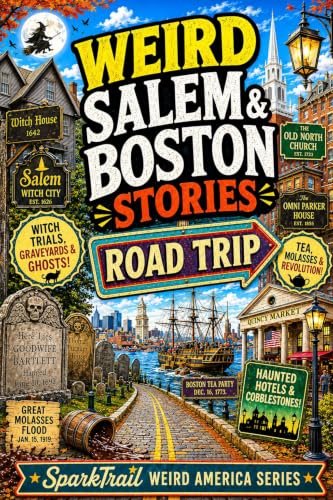
Weird New Orleans Stories follows the city through haunted streets, Voodoo history, cemetery cities, jazz legends, Mardi Gras madness, vampires, pirates, swamp creatures, and the true stories hiding beneath the theatrical fog.
Explore more strange road trips in the Weird America series, or browse the complete SparkTrail Press book catalog.