Venice Built Streets of Water and Put the Plague on an Island
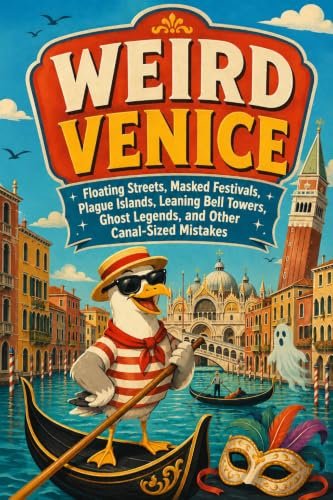
Venice has water for streets, boats for taxis, leaning towers, and maps that enjoy arguments. It should not work. It has worked for centuries, occasionally with wet shoes.
Weird Venice looks beyond gondolas and postcard sunsets to find plague islands, masked festivals, ghost legends, suspicious palaces, sinking foundations, and the wonderfully complicated daily business of living in a city built across a lagoon. Venice is beautiful, historic, and permanently one wrong turn away from becoming even more interesting.
The city is standing on an underwater forest
Venice rose on small islands with soft ground. Builders drove millions of wooden piles into the lagoon and placed stone foundations above them. Waterlogged wood survived because little oxygen reached it. Venice is balanced on ancient timber with the confidence of a waiter carrying twelve glasses through a crowd.
Uneven settlement helped give the skyline its famous lean. The bell towers of Santo Stefano and San Giorgio dei Greci visibly tilt, proving that Venice did not need Pisa to monopolize architectural anxiety. Admire them from the street, where the angle is impressive and the engineering calculations remain somebody else’s problem.
Acqua alta arrives without asking
Seasonal high water, known as acqua alta, is most common from autumn through spring. Flooding can cover low areas, especially around Piazza San Marco, while raised walkways help pedestrians keep moving. High tides are usually temporary, and water transport often continues, although routes can change during exceptional conditions.
Check the official tide forecast each morning and pack waterproof footwear. Floodwater is not a free spa. Photographs are fine. Barefoot splashing is an avoidable sequel.
November has a bridge made from boats
On November 21, Venice celebrates the Festa della Salute. A temporary pontoon bridge crosses the Grand Canal to the Basilica of Santa Maria della Salute, built after the plague of 1630. Candles, food stalls, crowds, and clever engineering connect public memory with city life.
Expect changed walking routes and busy vaporetto stops. Allow extra time because the shortest route may contain a procession, a canal, or several thousand people carrying candles.
The plague went to the islands
Venice’s trade brought ships from across the world, along with diseases less welcome than spices. The republic used lagoon islands to isolate crews and the sick. Lazzaretto Vecchio handled plague treatment and burial, while Lazzaretto Nuovo quarantined arriving vessels and goods.
Quarantine is tied to forty days of isolation. Venice used guarded islands and cargo inspections when ships might carry both profit and catastrophe. Some islands require arranged tours. Others, including Poveglia, are closed to casual visitors. A private water taxi is not permission to trespass.
Masks made respectable mischief possible
Venetian masks were not merely Carnival souvenirs. They could conceal identity, blur class boundaries, and allow people to gamble, flirt, negotiate, or behave badly with reduced risk of immediate recognition. Authorities repeatedly regulated when masks could be worn, because a city full of anonymous citizens creates administrative difficulties surprisingly quickly.
Imported masks crowd souvenir shops, while traditional workshops still make papier-mâché pieces by hand. Ask where a mask was made. An artisan piece costs more but avoids returning home with something wearing more glitter than Venice legally permits.
The Bridge of Sighs has the wrong romantic reputation
The enclosed Bridge of Sighs connects the Doge’s Palace to the old prison. Its name refers to the imagined sighs of prisoners catching a final glimpse of Venice through the stone windows. The popular story that couples gain eternal love by kissing beneath it in a gondola is much newer and considerably better for the boat business.
A Doge’s Palace tour crosses inside the bridge and reaches the prison cells. Reserve during busy periods and wear comfortable shoes. The palace contains enough stairs to defeat dramatic footwear.
Some palaces acquired alarming reputations
Venice has no shortage of ghost stories. Ca’ Dario, a beautiful palace on the Grand Canal, developed a reputation for bringing misfortune to owners and residents. Poveglia became the subject of stories involving plague victims, abandoned hospitals, and restless spirits. Legend has it that the lagoon remembers everything, particularly when the story can be told after dark.
Many haunted locations are private, closed, or visible only from the water. A vaporetto provides excellent palace views without criminal creativity. Ghosts may pass through walls. Travelers should use doors.
The vaporetto is the practical magic trick
Venice’s public water buses connect the historic center, railway station, mainland terminals, and islands such as Murano, Burano, and Lido. Buy the right ticket for the length of the trip and validate it before boarding. Multi-day passes can make sense for travelers planning several island journeys, while determined walkers may need fewer rides.
Expect Grand Canal crowds and keep luggage from doorways. Early and late rides are calmer. Gondolas are experiences rather than transportation, so agree on price and route first. Romance works better when everyone understands the invoice.
Getting lost is part of the design
Venetian addresses follow districts rather than a simple grid. Alleys end at canals and bridges appear where maps suggest walls. Use landmarks and vaporetto stops as anchors. Download an offline map, then allow room for wandering.
The city’s 2026 access-fee period ended on July 26, so visitors in November do not need to pay or request an exemption. The fee returns on selected days in 2027, so future travelers should check the city’s official calendar rather than trusting an old social media post written by someone standing in the wrong piazza.
Venice is stranger than the postcard
Weird Venice explores floating streets, Carnival masks, plague islands, leaning bell towers, ghost legends, hidden courtyards, unusual churches, and the practical complications of navigating the lagoon. It is for travelers who want Venice’s beauty along with the stories that make the city feel impossible.
Find more wonderfully odd destinations in the SparkTrail Weird Europe series, or browse the complete SparkTrail Press catalog. Venice will supply the canals, mysteries, masks, and crooked towers. You only need comfortable shoes and a willingness to admit the map has won.