Christmas Dinner Put Meat in Dessert and Set the Pudding on Fire
Christmas dinner likes to present itself as a dignified family tradition. There are candles, polished glasses, heirloom recipes, and at least one relative guarding the gravy as if it contains state secrets. Look behind the festive tablecloth, however, and the menu becomes wonderfully unhinged.
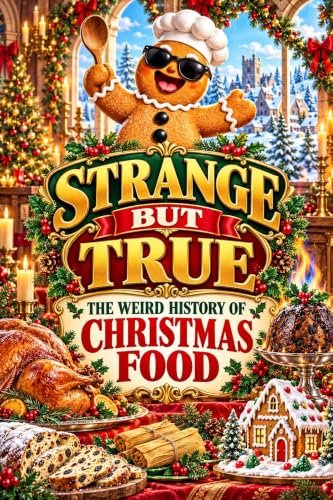
For centuries, people have put meat into desserts, hidden metal in pudding, set alcohol on fire, shaped bread into architecture, and preserved fruitcake long enough for it to qualify as family. Strange But True: The Weird History of Christmas Food explores the feasts, failures, marketing triumphs, and edible oddities that made the holiday taste the way it does.
When Mince Pies Actually Meant Minced Meat
The modern mince pie is small, sweet, and usually harmless unless someone eats twelve before lunch. Its ancestors were much more literal. Medieval versions combined minced meat, suet, dried fruit, sugar, and expensive spices in the same pastry. Sweet and savory were happy to share a plate because nobody had yet informed them that later centuries would demand separate menus.
Spices such as cinnamon, cloves, and nutmeg showed wealth as much as flavor. A heavily spiced pie announced that the household had access to distant trade routes and enough money to turn dinner into a fragrant status report. Over time, the meat retreated, the fruit took control, and the mince pie became dessert while keeping a name that now sounds faintly threatening.
The persistent claim that Oliver Cromwell banned mince pies makes an excellent holiday story, but it is largely a myth. Some Puritans did object to extravagant Christmas customs. The pie itself did not become an outlaw pastry hiding from Parliament beneath a tiny crust.
Christmas Pudding: Stir, Steam, Hide Money, Apply Fire
Christmas pudding also began closer to dinner than dessert. Early forms resembled pottage, a thick mixture that could contain meat, stock, fruit, wine, spices, and breadcrumbs. Across generations it grew sweeter, darker, denser, and increasingly capable of surviving a fall from a modest building.
The preparation accumulated rituals. Family members might take turns stirring the mixture and making wishes. Tokens were sometimes hidden inside, including coins said to promise luck to whoever found them. This added suspense to dessert and also encouraged the useful Victorian skill of chewing carefully.
Then came the grand finale: warm brandy poured over the pudding and ignited. The blue flame looks theatrical because it is theatrical. The pudding enters the room like a compact edible volcano, briefly becoming the most exciting object in the house. Anyone recreating the tradition should use a heatproof plate, keep decorations and sleeves clear, and let a sober adult handle the flame. History is fun. A curtain fire is paperwork.
Fruitcake Became the Holiday’s Most Durable Argument
Fruitcake has inspired devotion, mockery, mail-order businesses, and organized throwing contests. Dense cakes packed with dried fruit, nuts, spices, and alcohol could keep for a remarkably long time. That made them practical for travel, gifts, celebrations, and households that preferred their desserts to possess structural integrity.
Rich fruitcakes also became associated with weddings and formal occasions. Preserving a portion for later celebrations made sense after sugar, fruit, and labor had been invested in one magnificent brick. The cake’s durability became its comic reputation. Every December, the same question returns: is this a treasured tradition, or has the same cake been circulating since indoor plumbing?
The honest answer is that a well-made fruitcake can be excellent. The poor ones merely developed better publicity.
Gingerbread Turned Baking Into Construction
Gingerbread has had several careers. It has been a spiced cake, a molded biscuit, a fairground souvenir, a decorated figure, and a load-bearing wall. Ginger was once valued as much for supposed medicinal qualities as for flavor, which gave people the pleasant opportunity to describe dessert as stomach care.
Decorated gingerbread developed into elaborate shapes and displays, while gingerbread houses became closely associated with German holiday traditions. The idea spread because it combines baking with architecture and then rewards structural failure with snacks. A crooked roof is not a disaster. It is an invitation to eat the evidence.
For families building one today, thick royal icing works better as mortar than ordinary frosting. Assemble the walls first, allow them to set, and add the roof later. This is less romantic than balancing everything at once, but it greatly reduces the chance of creating a festive landslide.
Candy Canes, Eggnog, and Other Stories With Wobbly Origins
Holiday food history attracts legends the way icing attracts fingerprints. Candy canes are often given tidy origin stories involving choir directors, well-behaved children, or religious symbolism. The documented history is less neat. Straight sugar sticks existed before the familiar curved, striped version became common, and many popular explanations appeared long after the candy itself.
Eggnog has equally tangled roots. It belongs to a broad family of rich drinks made with milk or cream, eggs, sugar, spices, and often alcohol. Earlier British drinks such as posset helped shape the tradition, while American cooks made their own versions with ingredients that were available locally. Recipes multiplied, arguments followed, and the holiday gained a beverage that is simultaneously custard, cocktail, and breakfast’s irresponsible cousin.
The useful rule is simple: treat charming origin tales as stories unless the evidence supports them. The truth is usually stranger, messier, and much more interesting.
Japan Put the Colonel at Christmas Dinner
Not every holiday tradition needs medieval roots. In Japan, KFC launched its first Christmas campaign in 1974. Fried chicken gradually became a widely recognized part of the season, helped by advertising, advance-order packages, and the simple fact that a bucket of chicken is easier to organize than a historical banquet involving a boar’s head.
A Book for the Person Who Wants the Story Behind the Stuffing
The Weird History of Christmas Food is for readers who enjoy unusual history, culinary trivia, holiday customs, and true stories that sound as though they were invented after someone sampled the punch too enthusiastically. It moves beyond the polished holiday table to explain why the dishes arrived, how they changed, and which beloved explanations deserve a skeptical eyebrow.
It also makes a fitting early holiday gift. No refrigeration is required, it will not collapse like gingerbread, and nobody has to check it for hidden coins. Explore more curious history in the Strange But True series, or browse the complete SparkTrail Press book catalog.
Christmas food was never merely dinner. It was theater, superstition, social competition, preservation science, and occasionally a controlled burn served with custard.