America Heated the Groundwater and Built a Road Trip Around It

America spent millions of years heating groundwater before somebody built a road trip around it. The result is a wonderfully unruly collection of steaming rivers, historic bathhouses, desert pools, mineral terraces, roadside resorts, and geothermal features that can either relax a traveler or remove the tread from a boot.
Weird American Hot Springs Road Trip follows that steam across the country. It explores famous bathing towns, remote pools, strange legends, geological surprises, and the practical differences between a spring meant for soaking and one that would prefer visitors remain on the boardwalk.
Hot Springs National Park Put the Spa in the Middle of Town
Hot Springs, Arkansas, is one of the few national park experiences where a traveler can admire protected thermal water, stroll past grand early twentieth-century bathhouses, and then walk directly into downtown for lunch. Bathhouse Row looks like a lineup of elegant buildings waiting to prescribe fresh air, mineral water, and a very serious robe.
The springs were promoted as treatments for nearly every complaint a human could develop. Visitors arrived for bathing routines involving steam cabinets, hot packs, cooling rooms, massages, and enough medical confidence to make a modern consent form nervous. Today, the water still feeds working facilities, but outdoor soaking is not allowed. The Buckstaff and Quapaw bathhouses provide the current opportunities to bathe in the thermal water.
The Fordyce Bathhouse now serves as the visitor center and gives travelers a look at the machinery, treatment rooms, and elaborate rituals of the old bathing business. It is the ideal stop for anyone who wants the history without being wrapped in hot towels by a person carrying a stopwatch.
Yellowstone Has Hot Springs, but They Are Not Hot Tubs
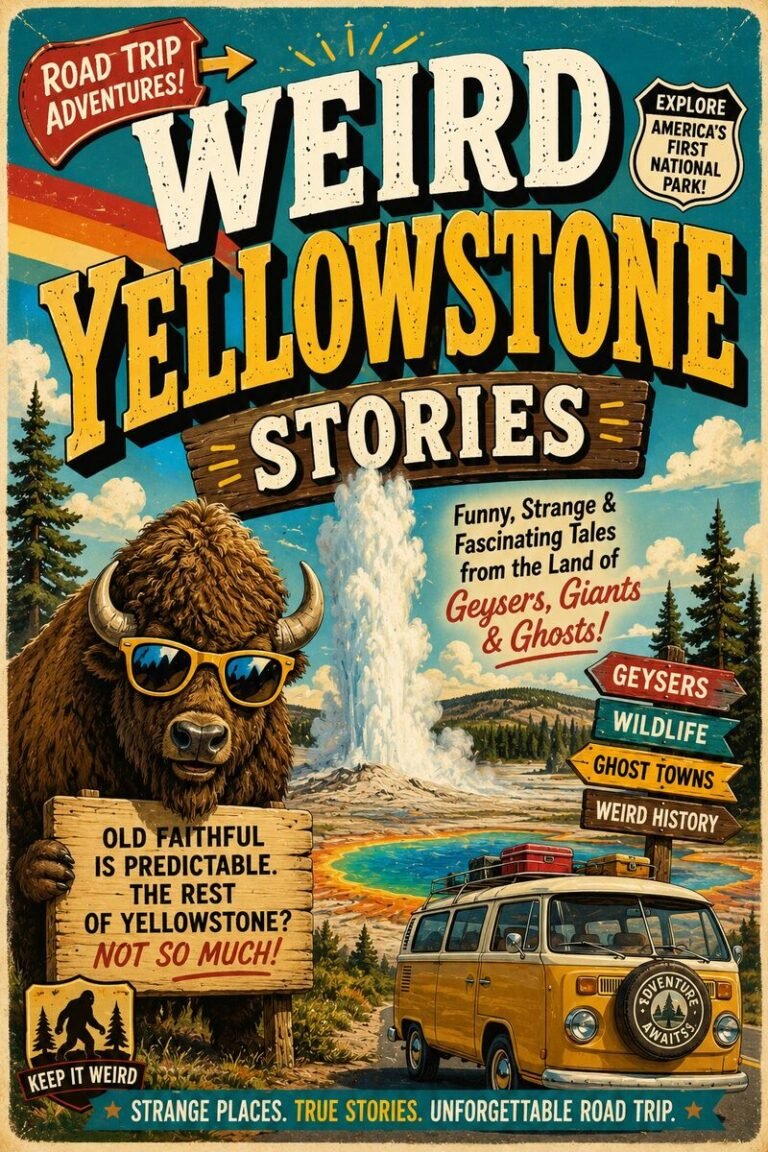
Yellowstone contains one of the greatest collections of thermal features on Earth. It also contains one of the greatest collections of signs politely explaining that the ground is thin, the water can be near boiling, and shortcuts are a spectacularly poor life choice.
Mammoth Hot Springs builds pale terraces from mineral-rich water, while geyser basins add blue pools, orange microbial mats, bubbling mud, sulfurous steam, and scenery that looks as if another planet has opened a branch office in Wyoming. These are places to admire from established paths. Swimming or soaking in water entirely of thermal origin is prohibited.
Travelers should ignore old articles that still recommend the Boiling River. That soaking area remains closed after the 2022 floods changed the river and damaged the site. The Firehole River swimming area is closed as well. Yellowstone is still a magnificent geothermal stop, but the current activity is looking, photographing, and keeping every limb exactly where it began.
Thermopolis Offers a More Cooperative Wyoming Soak
For travelers who would like Wyoming’s geothermal drama with actual bathing permission, Hot Springs State Park in Thermopolis is the friendlier option. The park has mineral terraces, a suspension bridge, walking paths, a bison herd nearby, and a state bath house offering free soaking.
The surrounding town grew around the springs, which means the experience includes public pools, commercial facilities, and the reassuring knowledge that the water has been routed into places designed for human bodies. Thermopolis also demonstrates an important hot-springs principle: the best pool is often the one with posted temperatures, maintained steps, and somebody officially responsible for the handrail.
Historic Pools Learned to Sell Scenery With the Steam
Hot-spring towns turned geology into architecture. Glenwood Springs, Colorado, built a vast pool beside mountain walls and a railroad corridor. Other resorts added stone bathhouses, wooden changing rooms, grand hotels, and claims about mineral benefits that ranged from plausible relaxation to enthusiastic fantasy.
These places became social centers as much as medical retreats. Visitors came to recover, gossip, flirt, conduct business, and sit in warm water while pretending the trip was entirely about health. A mineral bath offered the rare chance to be lazy with scientific purpose.
Historic resorts remain useful anchors for a road trip because they usually provide dependable access, changing rooms, winter hours, and water whose temperature is monitored by someone other than a barefoot stranger saying, “It was fine yesterday.”
The Wild Pool Has Rules Even When It Has No Lifeguard
Remote hot springs are appealing because they feel discovered. Unfortunately, thousands of other people may have discovered them first, posted the coordinates, widened the trail, and left behind a single flip-flop as evidence.
Access can change because of flooding, road damage, seasonal snow, private-property boundaries, tribal closures, restoration work, or sanitation problems. Before driving down a dirt road, check the current land manager’s page and local weather. A location shown on an old blog may now be closed, difficult to reach, or receiving more visitors than the landscape can handle.
Natural water also comes without a hotel maintenance department. Avoid swallowing it or submerging the head, especially in very warm pools. Do not enter with open wounds. Test temperature carefully, leave if dizziness begins, and never mix a long hot soak with heavy alcohol. Keep soap out of natural pools, pack out everything, respect clothing expectations, and do not reshape rock dams. The pool is not a home-improvement project.
Winter Makes the Steam Better and the Road Worse
Cold air turns a hot spring into a fog machine, which makes winter soaking beautiful and occasionally confusing. The pool may be comfortable while the walkway has become an ice rink designed by a prankster. Bring traction, warm layers, a dry bag, two towels, water, and footwear that can be put on quickly.
Mountain roads can close with little warning. Desert roads can become mud after rain. Cell service often disappears precisely when a sedan becomes ambitious. A sensible route pairs remote springs with developed alternatives, allows daylight for arrival, and keeps enough fuel for a retreat.
Why This Book Belongs in the Winter Travel Stack
Weird American Hot Springs Road Trip is for travelers who enjoy beautiful scenery, odd history, strange local legends, and destinations where the Earth handles the heating bill. It separates soaking spots from sightseeing features and adds the stories that make each stop more memorable than a pin on a map.
It also makes a fitting holiday gift for road-trippers, RV travelers, national-park fans, and anyone who believes a good vacation should include warm water and at least one questionable backroad. Explore more unusual destinations in the Weird America series, or browse the complete SparkTrail Press book catalog.
America’s hot springs offer history, geology, scenery, and relaxation. They also offer an unusually persuasive reason to read the warning sign before removing your socks.