Scotland Put a Monster in the Loch and Body Snatchers in the Graveyard
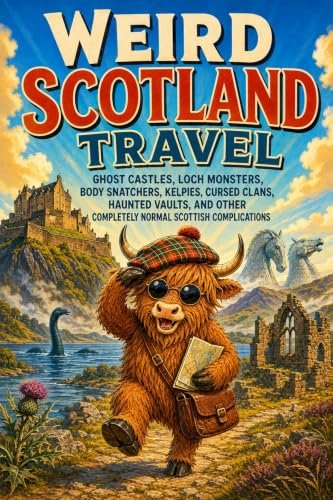
Scotland is beautiful in the calm, sensible way that includes black lakes, ruined castles, windswept battlefields, underground streets, suspicious horse spirits, and a national monster that has avoided clear photography for generations. The scenery is magnificent. The weather has opinions. The ghosts appear to have formed a tourism board.
Weird Scotland Travel explores the country beyond the postcard view, following haunted vaults, clan disasters, body-snatching scandals, Loch Ness sightings, kelpie legends, royal catastrophes, and the practical complications of traveling through a place where four seasons can arrive before lunch.
Edinburgh Built Upward and Buried the Evidence
Edinburgh’s Old Town grew along a narrow ridge, with buildings crowded together and steep closes dropping away from the Royal Mile. As the city changed, lower rooms, vaults, lanes, and sections of earlier streets disappeared beneath newer construction. The result is a capital with a second, darker personality below street level.
Guided visits now enter spaces associated with poor housing, workshops, storage, taverns, crime, and a great deal of atmospheric dripping. Mary King’s Close preserves part of an old neighborhood beneath later buildings, while the South Bridge vaults offer a different underground world. They are not interchangeable attractions, so travelers should check which history a tour actually covers before booking “Edinburgh Underground Mystery Experience Number Seventeen.”
Winter makes these tours especially useful. When rain begins traveling sideways, a stone chamber under the city suddenly looks like excellent planning.
The Castle Has Royal Jewels, Prisoners, and a Volcano
Edinburgh Castle stands on volcanic rock above the city, which is exactly where a fortress should sit if it wants to dominate the skyline and appear on every available refrigerator magnet. Its long history includes sieges, royal births, military prisons, crown jewels, and enough political drama to keep several centuries irritated.
The castle is open through winter, but hours shorten and popular entry times can still sell out. Booking ahead is sensible, especially around holiday events. Visitors should also check same-day closures because high winds and bad weather can affect exposed areas. The climb is steep, the stone can be slick, and fashionable shoes may file a formal complaint.
Body Snatchers Made Graveyards Complicated
Nineteenth-century medical schools needed bodies for anatomy lessons, but the legal supply was limited. Grave robbers filled the gap by stealing recently buried corpses and selling them to surgeons. Edinburgh families responded with guards, heavy stones, iron cages called mortsafes, and structures designed to keep the deceased from making an unauthorized trip to university.
William Burke and William Hare took an even darker shortcut. Instead of waiting for people to die, they murdered victims and sold the bodies to anatomist Robert Knox. Their crimes became attached to Edinburgh’s already grim reputation, although calling them ordinary body snatchers gives ordinary body snatchers entirely too much credit.
Greyfriars Kirkyard and other historic cemeteries make this history visible, but visitors should remember that these are active burial grounds, not theatrical sets. Read the stones, respect barriers, and save the dramatic séance voice for somewhere that does not contain grieving families.
Loch Ness Turned Uncertainty Into a Career
Loch Ness is deep, dark, long, and excellent at keeping secrets. Reports of unusual creatures stretch back through local tradition, while the modern Nessie industry grew from twentieth-century sightings, photographs, expeditions, sonar searches, hoaxes, and witnesses who remain certain that a wave should not have moved like that.
No conclusive monster has been produced, which has done very little to harm the legend. Urquhart Castle provides a dramatic ruined viewpoint over the water, and nearby visitor attractions explain the investigations and famous evidence. The best approach is to enjoy the mystery without treating every floating branch as a press conference.
In winter, confirm cruise schedules and castle hours before making the drive. Daylight disappears early, Highland weather changes quickly, and a loch viewed through darkness looks mysterious but not particularly detailed.
Kelpies Are Why You Do Not Trust a Polite Horse Near Water
Scottish folklore is crowded with kelpies, shape-shifting water spirits often appearing as beautiful horses. A careless traveler might climb aboard, become stuck to the animal, and be dragged into deep water. It is an unusually forceful lesson about asking permission before riding unfamiliar livestock.
Near Falkirk, two enormous steel horse heads rise beside the canal at Helix Park. The Kelpies celebrate the power of working horses while giving the old legends a spectacular modern form. They stand about thirty meters high and are especially striking when illuminated, proving that folklore can survive industrial engineering and a very large lighting budget.
Culloden Is Powerful Without Embellishment
The Battle of Culloden in 1746 ended the Jacobite Rising with a brutal government victory. The battlefield east of Inverness is a place for careful history, not cheerful clan cosplay. Markers identify where groups fought and fell, and the visitor center explains the campaign, combat, aftermath, and people drawn into it.
The battlefield itself remains open throughout the year, while the visitor center uses shorter winter hours. November travelers should plan an earlier arrival and expect wet ground, cold wind, and a site whose emotional weight does not need a ghost story added to it.
Winter Scotland Rewards Planning and Waterproofing
Scotland in late autumn and winter offers lighter crowds, glowing cities, dramatic skies, and landscapes that look designed for legends. It also brings short days, ice, freezing fog, strong winds, and roads that may change from scenic to serious within a few miles.
Check Traffic Scotland and weather warnings before Highland drives. Carry warm clothing, food, water, a torch, a phone charger, and more fuel than the optimistic route estimate suggests. Build each day around limited daylight, and keep indoor alternatives ready. A museum, distillery tour, historic close, or pub meal can rescue a schedule when a mountain pass decides otherwise.
A Gift for Travelers Who Prefer Their Castles Complicated
Weird Scotland Travel is for curious travelers, history readers, monster hunters, castle enthusiasts, and anyone who wants the story behind the beautiful ruin. It mixes famous destinations with stranger details and useful trip planning, without pretending the Highlands are a theme park or every shadow owns chains.
It also makes a fitting holiday gift for anyone planning Scotland, dreaming about Scotland, or prepared to accept that Nessie may be unavailable for photographs. Discover more unusual destinations in the Weird Europe series, or browse the complete SparkTrail Press book catalog.
Come for the castles, lochs, and mountain scenery. Stay for the underground streets, graveyard defenses, water horses, royal disasters, and weather that has already changed its mind.