Europe Put Monsters, Witches, and a Giant Goat Under the Christmas Tree
Europe does Christmas beautifully. Medieval squares glow beneath strings of lights. Cathedral bells drift over market stalls. Mulled wine steams in paper cups while somebody nearby sells a wooden ornament that appears to require its own mortgage.
Europe also does Christmas with horned monsters, a door knocking horse skull, thirteen mountain troublemakers, an old woman on a broom, and a giant straw goat whose annual survival inspires international concern. The postcard version is lovely. The older traditions are where the season becomes wonderfully complicated.
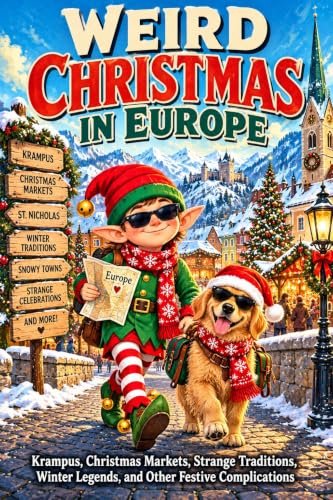
WEIRD CHRISTMAS IN EUROPE, by SparkTrail Press and Guy Wann, follows those complications across the continent. It explores Krampus runs, medieval markets, Christmas witches, strange Santas, haunted winter folklore, seasonal foods, and the customs that make December travel far more interesting than simply standing near a tree and looking festive.
Austria Gives Saint Nicholas a Terrifying Assistant
In Austria, Saint Nicholas does not always travel alone. Krampus joins him wearing fur, horns, bells, and a carved mask designed to make every ordinary department store Santa look underqualified. Around December 5, Krampus runs fill streets in Alpine communities with clanging bells and elaborate costumes. The tradition mixes winter folklore, spectacle, and the useful childhood lesson that holiday performance reviews may involve livestock parts.
For travelers, the important detail is timing. Krampus events often happen before the main Christmas week, so arriving on December 23 may be several weeks too late for the loudest creatures. Smaller towns can offer a more local atmosphere, while major cities stage accessible parades. Check the town calendar, arrive early, respect barriers, and remember that the person charging toward you in horns may have limited visibility.
Iceland Has Thirteen Santas and Several Management Problems
Iceland could have settled for one cheerful gift giver. Instead, folklore supplies thirteen Yule Lads who descend from the mountains one at a time before Christmas. Their names describe specialties such as stealing sausages, licking spoons, slamming doors, and peering through windows. They have evolved from frightening figures into mischievous seasonal celebrities, but their household manners remain under review.
Their family adds further complications. Their mother, Grýla, is a fearsome giantess, and the enormous Yule Cat is traditionally associated with people who fail to receive new clothes. Reykjavík turns this folklore into a citywide seasonal treasure hunt, with figures and stories appearing around town. Visitors should expect short daylight hours, rapidly changing weather, and streets that can be icy. Warm layers and shoes with real grip are more valuable than a heroic but doomed commitment to fashionable ankles.
Wales Sends a Horse Skull to Win an Argument at Your Door
The Mari Lwyd is one of the great entrances in European Christmas tradition. A decorated horse skull, usually draped in white cloth and carried by a hidden performer, approaches a home or pub with a singing group. The visitors and occupants trade improvised verses in a contest called the pwnco. If the Mari wins entry, the evening continues with music, food, drink, snapping jaws, and the sort of indoor horse chaos most insurance policies forgot to mention.
The custom is especially associated with South Wales and has enjoyed a modern revival. Public performances are the easiest option for visitors because private homes generally prefer not to receive surprise folklore. Look for museum programs, community events, and pub celebrations from late December into January. Listen, watch, and let the experienced singers handle the verbal duel.
Sweden Builds a Giant Goat and Hopes for the Best
Each Advent, the city of Gävle raises a huge straw goat. The tradition began in 1966, and the goat has since become a beloved Christmas symbol and one of the world’s most nervously watched seasonal decorations. Its history includes repeated destruction, usually by fire, despite fencing, guards, cameras, and the united desire of responsible adults to get through one holiday without an enormous flaming farm animal.
Gävle is reachable by train from Stockholm, which makes the goat an easy addition to a Swedish winter trip. Visit after the first Sunday of Advent, confirm its current location, and check the official live feed if weather or travel plans interfere. Admire it, photograph it, and do not attempt to become part of its criminal biography.
Italy Lets a Witch Handle the Final Delivery
In Italy, La Befana visits on the night before Epiphany, January 6. The old woman travels by broom and fills stockings with sweets or coal, proving that Santa does not hold a continental monopoly on airborne judgment. Her story blends Christian and older seasonal traditions, and celebrations stretch the festive calendar well beyond Christmas Day.
Travelers who visit Italy in early January can catch Epiphany events in many cities. Urbania in the Marche region makes La Befana the center of several days of festivities, while Rome, Venice, and other destinations add processions, markets, races, or local variations. January 6 is a public holiday, so transport and opening hours deserve checking. The reward is a quieter, stranger chapter of the season that many December only visitors miss.
Christmas Markets Need a Plan, Not Just an Appetite
European Christmas markets range from neighborhood gatherings to glittering seasonal cities. Strasbourg has held its famous Christkindelsmärik since 1570, and its hundreds of stalls spread across the historic center. Other major destinations offer their own combinations of crafts, food, music, and crowds moving at the speed of hot chocolate.
Book lodging early, especially for Advent weekends. Weekday mornings are calmer than Friday and Saturday nights. Carry a small reusable bag, keep payment options flexible, and leave room for weather delays. Markets may close before Christmas Eve, while some traditions begin after Christmas, so the phrase “Christmas trip” is not precise enough for planning. Choose the custom first, then choose the dates.
Follow the Strange Lights Across Europe
WEIRD CHRISTMAS IN EUROPE turns the holiday season into a route through folklore, history, food, festivals, and charmingly questionable decisions. It is built for travelers planning a winter journey, curious readers staying warm at home, and anyone who believes a proper Christmas story can accommodate both candlelight and a broomstick.
Find more peculiar destinations on the SparkTrail Weird Europe series page, or browse the complete SparkTrail Press book catalog.