History Was Weirder Than You Think
History was much stranger than the textbooks admitted
Dead popes on trial, armies fighting birds, bears with military records, and cities nearly defeated by beverages. These stories sound invented. Unfortunately for human dignity, they are not.
History books often arrive wearing a serious expression. They introduce kings, treaties, wars, revolutions, and portraits of people who appear to have regarded smiling as a criminal offense. That version of the past is important, but it leaves out something wonderful: human beings have always been capable of spectacular confusion, heroic stubbornness, and decisions that become funnier with every passing century.
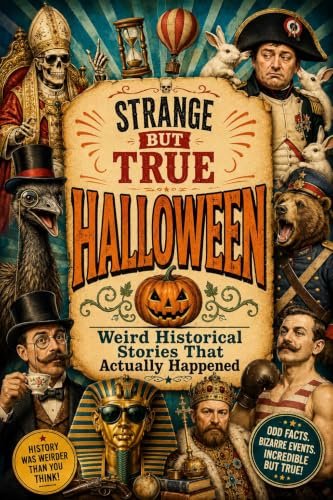
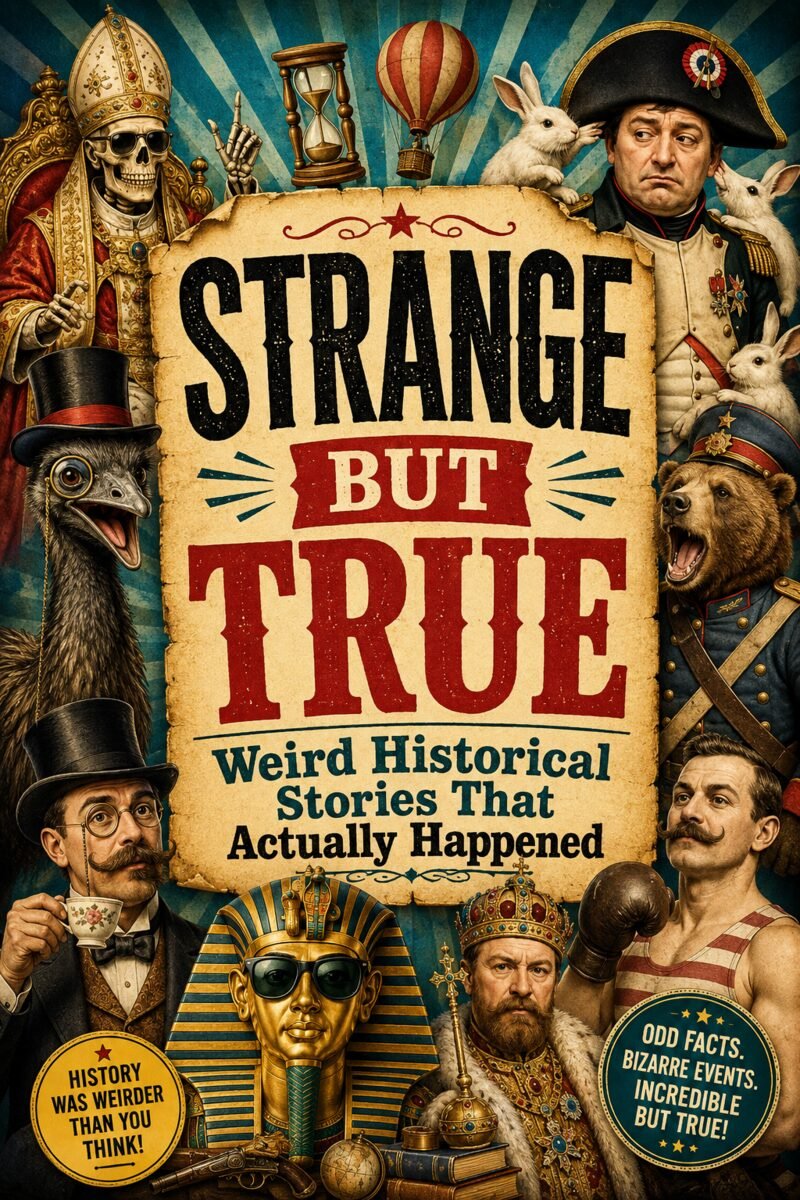
Strange But True: Weird Historical Stories That Actually Happened opens the door to that messier version of history. Across twenty documented stories, the book visits moments when politics, superstition, pride, animals, accidents, and terrible communication collided. The result is a tour of the past that is funny, surprising, and occasionally reassuring. Whatever mistake you made this week, at least you probably did not send an army to war against emus.
When a dead pope was put on trial
One of medieval history’s most astonishing spectacles involved Pope Formosus, who was exhumed and placed on trial months after his death. His corpse was dressed in papal clothing, seated in court, and presented with accusations while a deacon answered on his behalf. This was not a Halloween attraction or a satirical play. It was an official proceeding driven by political rivalry and revenge.
The episode became known as the Cadaver Synod, and it demonstrates one of the book’s favorite lessons: powerful people can make an absurd idea look official if they provide enough robes, chairs, and angry speeches. The event was grotesque, theatrical, and completely real, although some of the details repeated over the centuries have grown more dramatic in the retelling.
The Emu War was not a fair fight
In 1932, farmers in Western Australia faced enormous flocks of emus damaging crops. Military personnel were sent with machine guns to reduce the birds’ numbers. The operation quickly became famous because the emus scattered, ran, survived, and generally refused to cooperate with military planning. The birds did not sign a surrender, respect formations, or appear impressed by government authority.
Calling it a war was partly newspaper humor, but the military operation happened, and it did not achieve the decisive victory officials hoped for. The story is funny because the opponent was a large flightless bird. It is also revealing because it shows what happens when a complicated environmental problem is approached with extreme confidence and a weapon better suited to an entirely different problem.
Animals kept wandering into human jobs
History contains a remarkable number of animals that acquired uniforms, responsibilities, legal representation, or military status. Wojtek the bear became associated with Polish soldiers during World War II and famously helped carry ammunition crates. Jack the baboon worked alongside a railway signalman in South Africa and learned to operate signals with extraordinary reliability. Medieval courts sometimes appointed legal representatives for animals or insects accused of causing damage.
These stories are not included simply because animals in human situations are entertaining, although they certainly are. They reveal how people adapt during hardship, how communities create legends, and how official systems sometimes stretch far beyond anything their designers imagined.
Small arguments created enormous trouble
Some historical conflicts began with objects and incidents that sound too petty to matter: a stolen bucket, a severed ear, a wandering pig, or a disputed football match. The simple versions make excellent trivia, but the real causes were usually deeper. Political tension, territorial rivalry, national pride, and poor communication had already stacked the firewood. The strange incident merely supplied the match.
The book separates the documented event from the legend that later grew around it. That distinction matters because weird history is even more satisfying when the reader knows which parts truly happened, which were exaggerated, and why the exaggerated version survived.
A better way to explore the past
Weird history is not a collection of meaningless curiosities. The absurd details draw us in, but the human behavior keeps the stories relevant. Pride still turns small problems into large ones. Rumors still travel faster than corrections. Officials still make plans without consulting the animals involved. The costumes change, but the comedy remains surprisingly familiar.
If you enjoy forgotten disasters, royal embarrassment, unusual animals, political absurdity, and facts that sound completely made up, this book is your invitation into the version of history school forgot to mention. You can also explore more titles in the Strange But True series.
Ready for history’s strangest true stories?
Meet dead popes, military emus, working baboons, soldier bears, beer floods, and the people who somehow made all of this possible.
View on Amazon